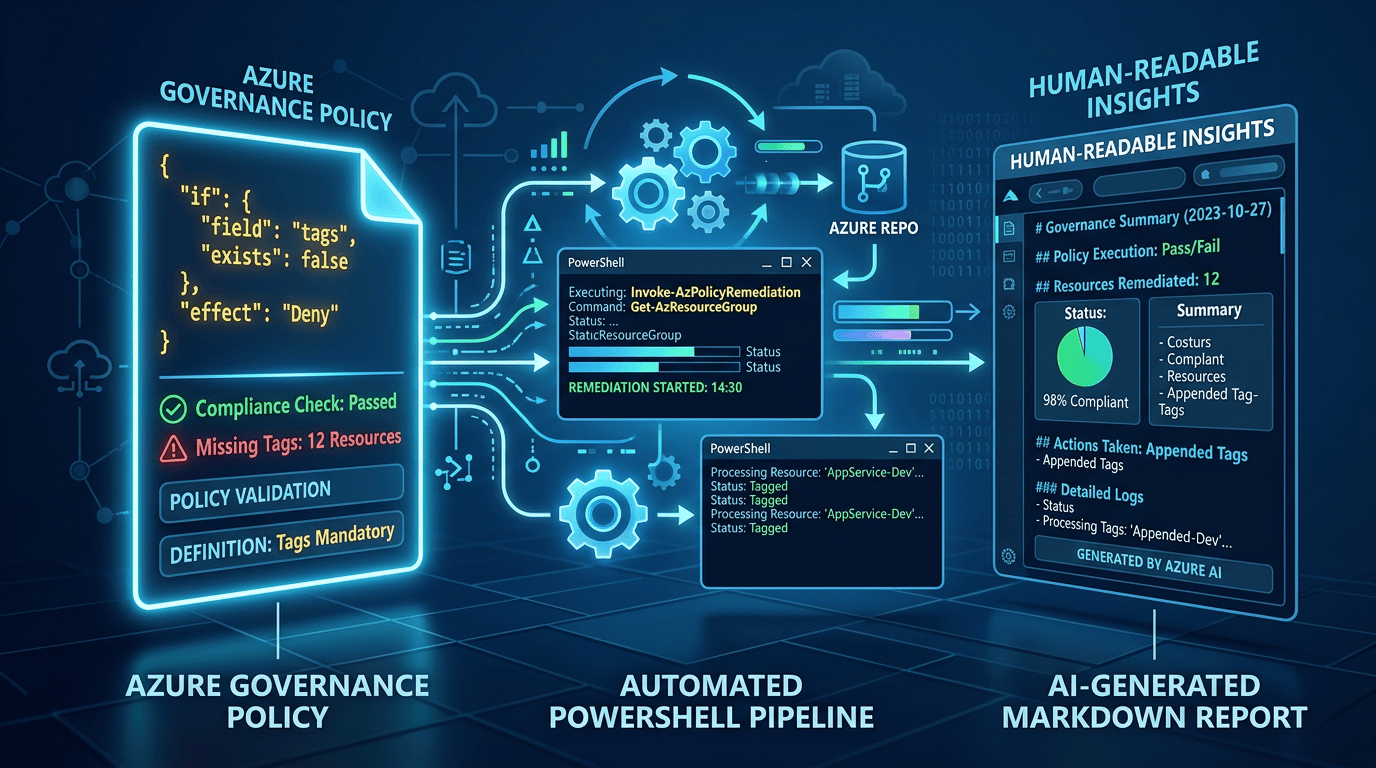
Azure Policy is one of those services that looks simple until you start authoring your own definitions. The JSON may be valid and the policy may deploy successfully, but that does not necessarily mean it is robust, safe to roll out or consistent across the resource API versions you support. That is why the publicContinueContinue reading “Automating Azure Policy Reviews with Policy Linter, PowerShell and Copilot CLI”
Category Archives: Cloud
Choosing between Azure Logic Apps, Power Apps and Power Automate
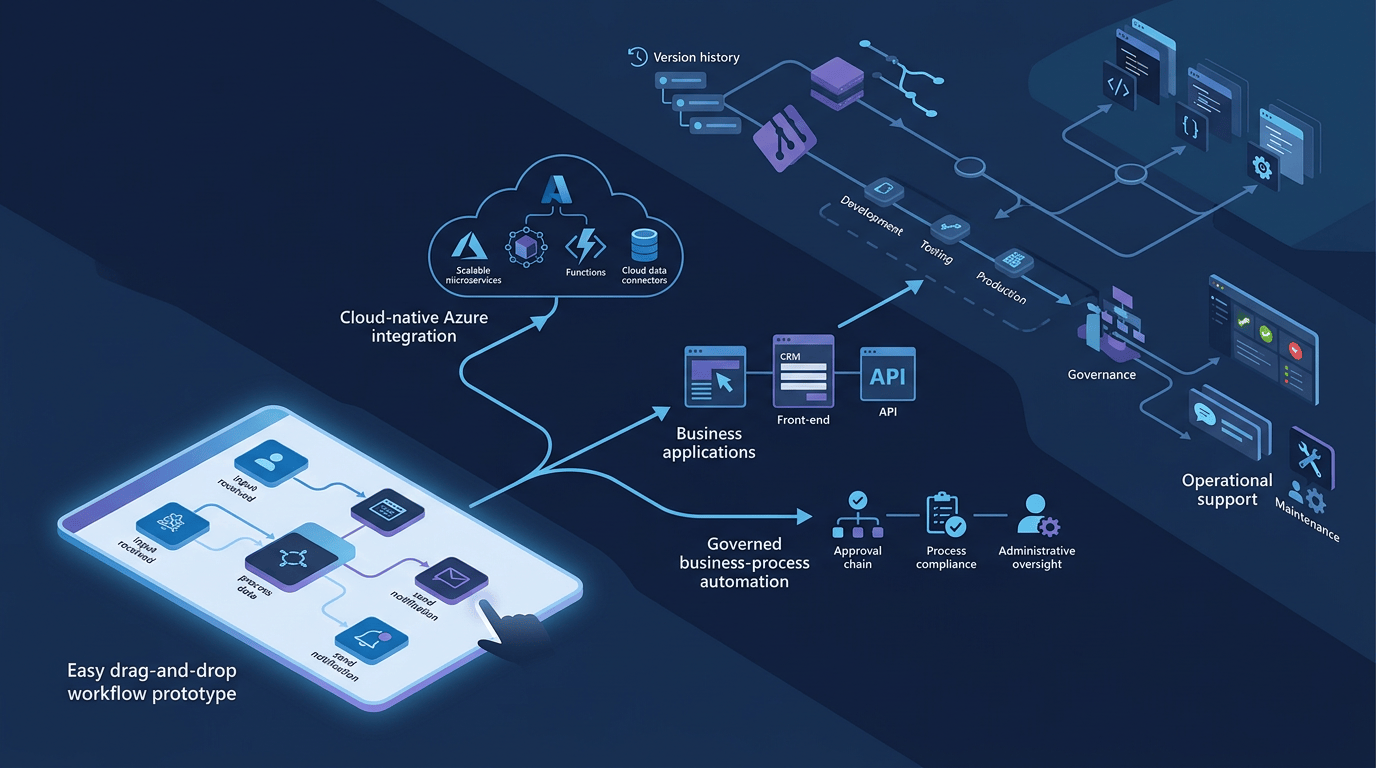
I keep seeing the same technology decision being made for the same reason. Someone needs to send an email, connect to Microsoft 365 or automate a process in Azure. They search for an answer, Logic Apps appears, the designer looks simple enough and the connectors are already there. An hour later, they have something workingContinueContinue reading “Choosing between Azure Logic Apps, Power Apps and Power Automate”
The Role of Drift Detection in Modern Infrastructure
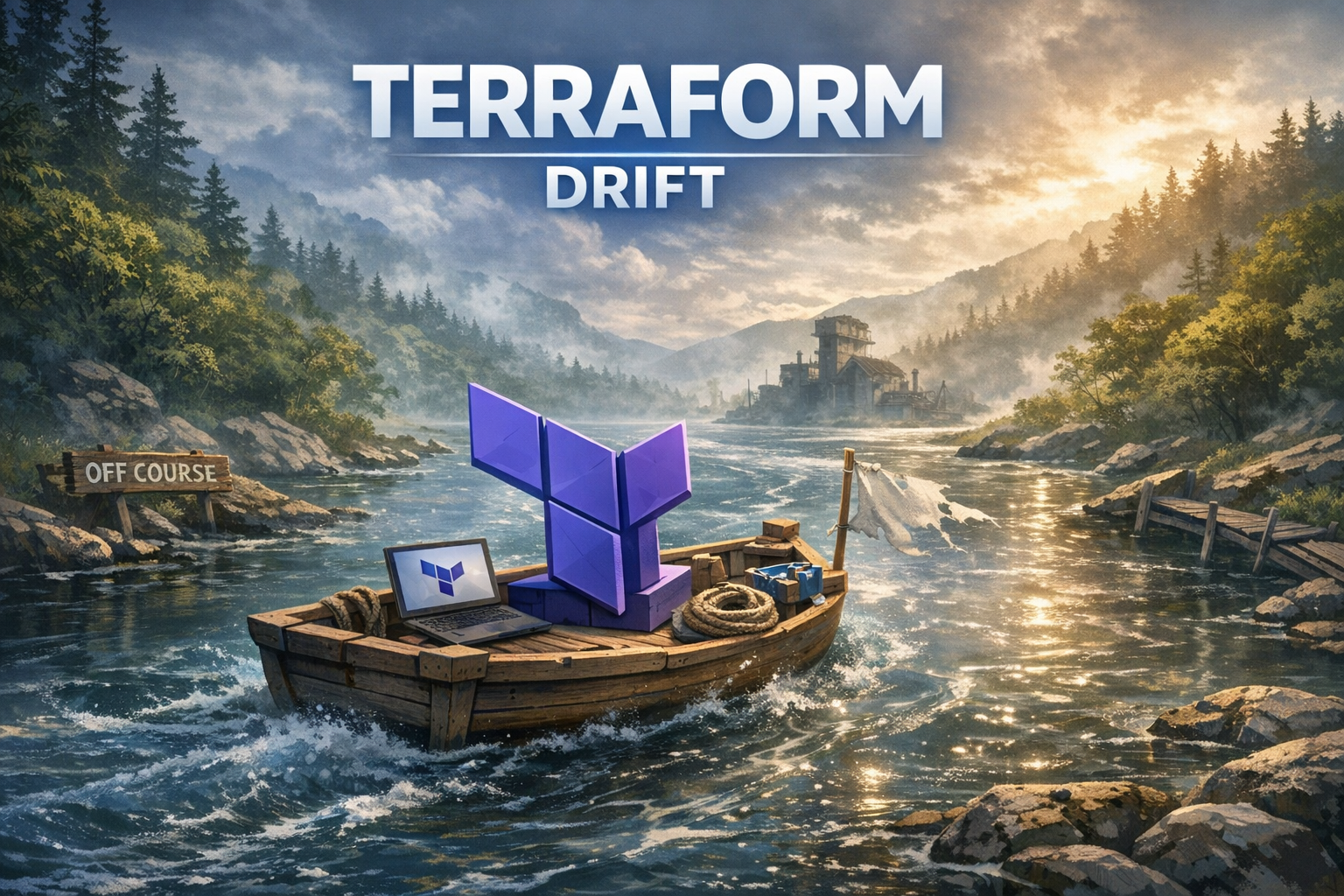
“Drift detection” sounds like one of those must-have features in modern infrastructure. It’s baked into tools, marketed heavily, and often treated as a best practice, but do we really need it? In most well-structured environments, drift shouldn’t be something you detect, it should be something you prevent. Drift Is a Symptom, Not the Problem TerraformContinueContinue reading “The Role of Drift Detection in Modern Infrastructure”
Secure MLOps Design for Databricks and Azure: A Practical Workspace‑Driven Architecture
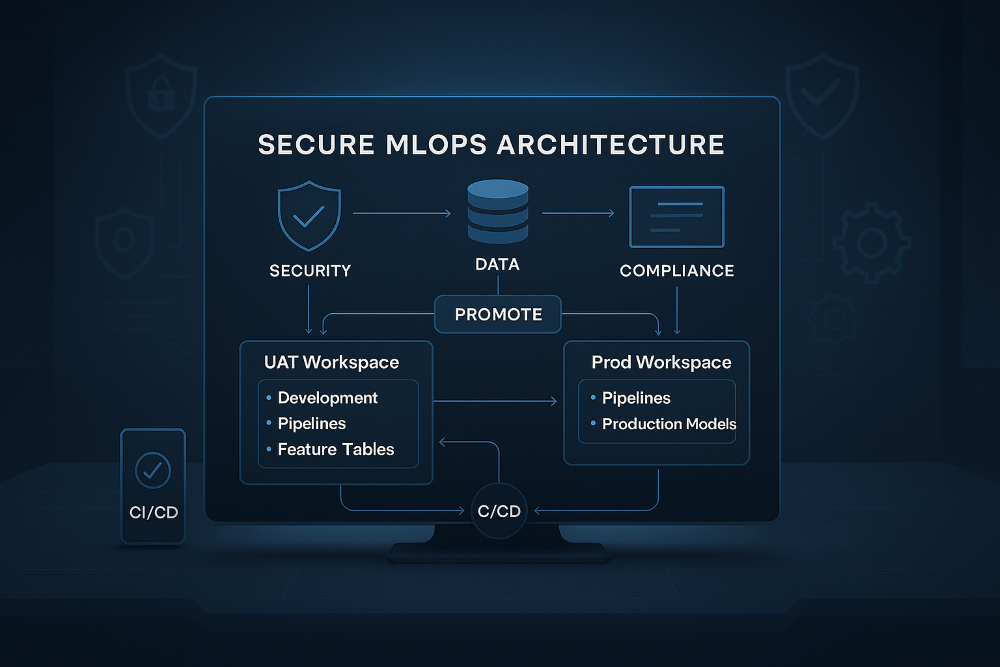
Most Databricks MLOps guidance assumes you can train and develop directly inside a production Unity Catalog. In many organisations, that’s simply not possible, whether for compliance, data‑security, tenancy boundary or governance reasons. So this post outlines a design concept I created that stays aligned with official Databricks and Azure MLOps guidance while enabling safe, isolated,ContinueContinue reading “Secure MLOps Design for Databricks and Azure: A Practical Workspace‑Driven Architecture”
Bringing AI-Powered Pull Request Reviews to Azure DevOps
AI‑assisted pull request (PR) reviews are quickly becoming standard practice in modern software delivery. GitHub users already benefit from Copilot being deeply embedded into their workflow, offering immediate feedback on code quality, readability, and potential issues at the moment of review. For teams using Azure DevOps, that experience simply doesn’t exist today. There is currentlyContinueContinue reading “Bringing AI-Powered Pull Request Reviews to Azure DevOps”
Choosing the Right Azure DevOps Agent Hosting Strategy in Azure
In the world of continuous integration and continuous delivery (CI/CD), Azure DevOps agents are key resources. These agents are the compute resources that execute your pipeline whether it’s compiling code, running tests, or deploying applications. Without them, your DevOps pipelines are just scripts waiting to be run. Azure DevOps offers two types of agents: Microsoft-hostedContinueContinue reading “Choosing the Right Azure DevOps Agent Hosting Strategy in Azure”
Progressive Learning in Coding: The Elevator Approach

Learning new skills can be hard and when working with complex technology like coding it can be confusing. Over the years as I have learnt more technologies, I have found an approach that has helped keep learning simple. This is something I was taught before when I first started and continue to pass on toContinueContinue reading “Progressive Learning in Coding: The Elevator Approach”
Understanding Databricks RBAC: Grants, Permissions, and Entitlements

Documentation on Databricks Grants, Permissions and Entitlement can get complex fast, especially switching between AWS, Azure and Databricks versions. When I was then looking into implementing the RBAC design for Databricks, I started looking into the different access approaches for groups. I found you needed to be a full functioning Data Engineer using this productContinueContinue reading “Understanding Databricks RBAC: Grants, Permissions, and Entitlements”

